
Snow Storm Weather Forecast: Your Ultimate Guide To Staying Safe And Informed - For example, regions near large bodies of water, such as the Great Lakes in the United States, often experience lake-effect snow storms. These storms occur when cold air passes over relatively warm lake water, leading to intense snowfall in downwind areas. Another misconception is that snow storms always result in heavy snowfall. While some storms produce significant accumulation, others may bring only light snow or freezing rain. Understanding these nuances is key to interpreting forecasts correctly.
For example, regions near large bodies of water, such as the Great Lakes in the United States, often experience lake-effect snow storms. These storms occur when cold air passes over relatively warm lake water, leading to intense snowfall in downwind areas.
During a snow storm, prioritizing safety should be your top concern. Avoid unnecessary travel and stay indoors as much as possible. If you must venture outside, dress in layers and cover exposed skin to prevent frostbite and hypothermia.
Understanding the basics of a snow storm is essential for interpreting weather forecasts accurately. According to the National Weather Service, a snow storm is classified as a blizzard when winds exceed 35 mph and visibility drops below a quarter of a mile for at least three hours.
Transportation planning is another critical aspect of snow storm preparedness. If you must travel during a storm, make sure your vehicle is equipped with a winter survival kit, including blankets, flares, and an ice scraper. Staying informed through reliable weather sources is equally important.
As winter approaches, understanding snow storm weather forecast becomes crucial for millions of people worldwide. Snowstorms can disrupt daily life, causing power outages, transportation delays, and even endangering lives. Being prepared and informed is key to staying safe during these extreme weather events.
For those seeking reliable information on snow storm weather forecast, several resources are available. The National Weather Service provides comprehensive updates and alerts for various regions. Additionally, websites like Weather.com and the Weather Channel offer detailed forecasts, interactive maps, and expert analysis.
Social media platforms have also become valuable tools for sharing real-time weather updates. Following reputable meteorologists and weather organizations on platforms like Twitter and Facebook can help you stay informed during severe weather events.
In addition to traditional methods, mobile applications and online platforms have made it easier for individuals to access up-to-date weather information. Apps like Weather.com and the Weather Channel provide detailed forecasts, alerts, and safety tips tailored to specific locations.
Modern technology has significantly enhanced the accuracy of snow storm weather forecast. Meteorologists now have access to advanced tools such as Doppler radar, satellite imagery, and computer modeling systems. These technologies allow for real-time monitoring of weather patterns and more precise predictions.
These historical events highlight the importance of accurate snow storm weather forecast and preparedness. By learning from past storms, meteorologists and emergency management officials can better anticipate and respond to future weather challenges.
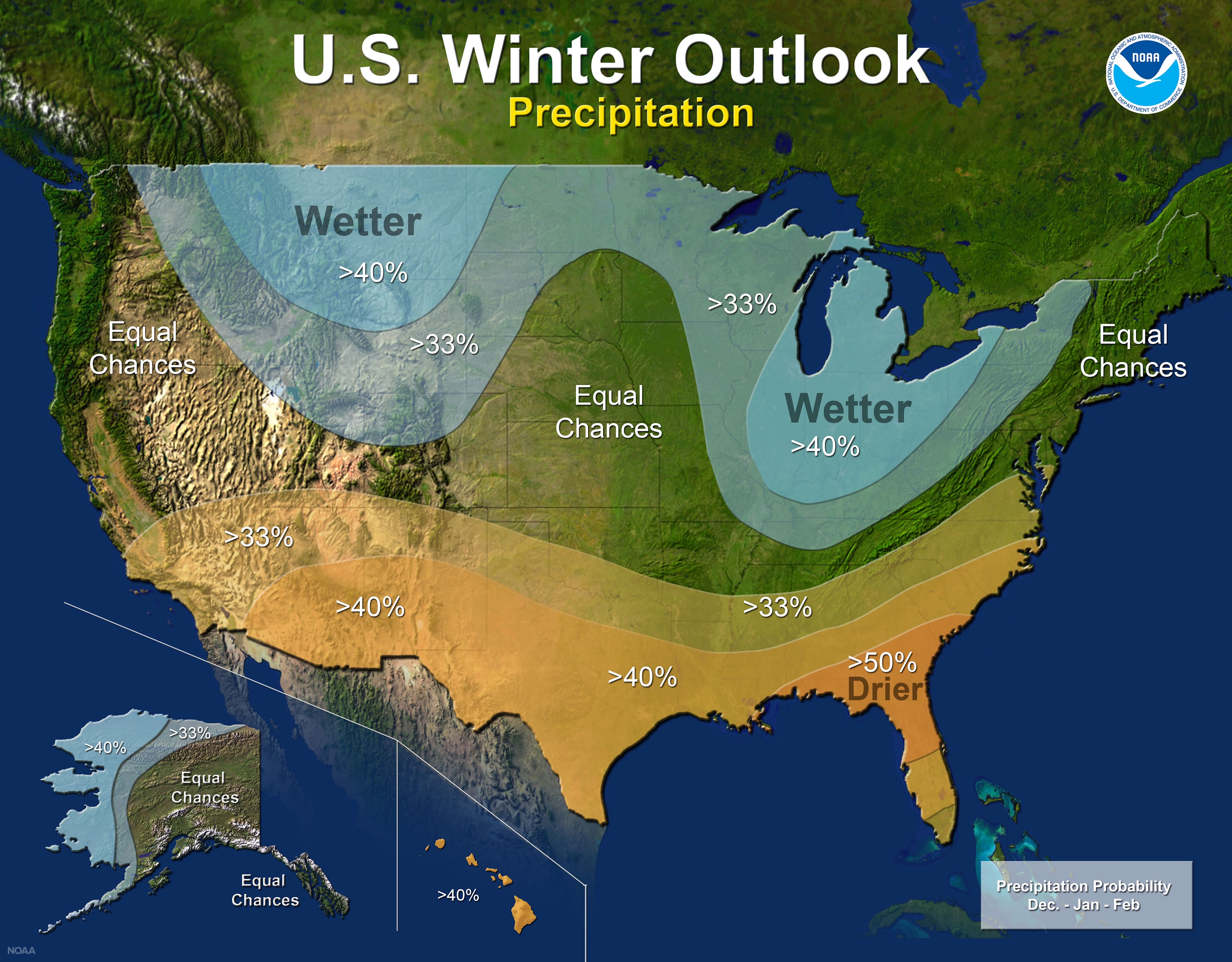
It's also important to clear snow from driveways and sidewalks to prevent accidents. Use caution when shoveling snow, as overexertion can lead to injuries or heart attacks. If you lose power, use alternative heating sources carefully and ensure proper ventilation to avoid carbon monoxide poisoning.

Proper preparation is essential for surviving a snow storm safely. Before the storm hits, ensure you have an emergency kit with essential supplies, including food, water, medication, and warm clothing. It's also important to check your home for potential hazards, such as loose branches or faulty heating systems.